For newly expectant or practicing parents, discovering their infant faces auditory loss often feels deeply disheartening and sad. Nevertheless, the reassuring fact stands: with swift screening and appropriate intervention, infants facing hearing loss will routinely prosper. Yes, they can even develop key verbal abilities, interactive skills, and solid bonds within their environment, creating the foundation for a vibrant, rewarding life!
Employing wearable hearing aids or internal cochlear implants provides two highly reliable options for supporting infants with auditory challenges. In the text below, we examine how these technologies function and how to decide which one is right for your child.
Demystifying Hearing Deficits in Newborns
Hearing deficits within babies can originate from an array of medical influences, including:
- Known hereditary genetic markers (even completely lacking any documented parental history)
- Dangerous maternal congenital infections like cytomegalovirus (CMV) or rubella exposure
- Physical birth-related trauma, including neonate oxygen loss or early delivery
- Certain medications deployed in specialized neonatal intensive care
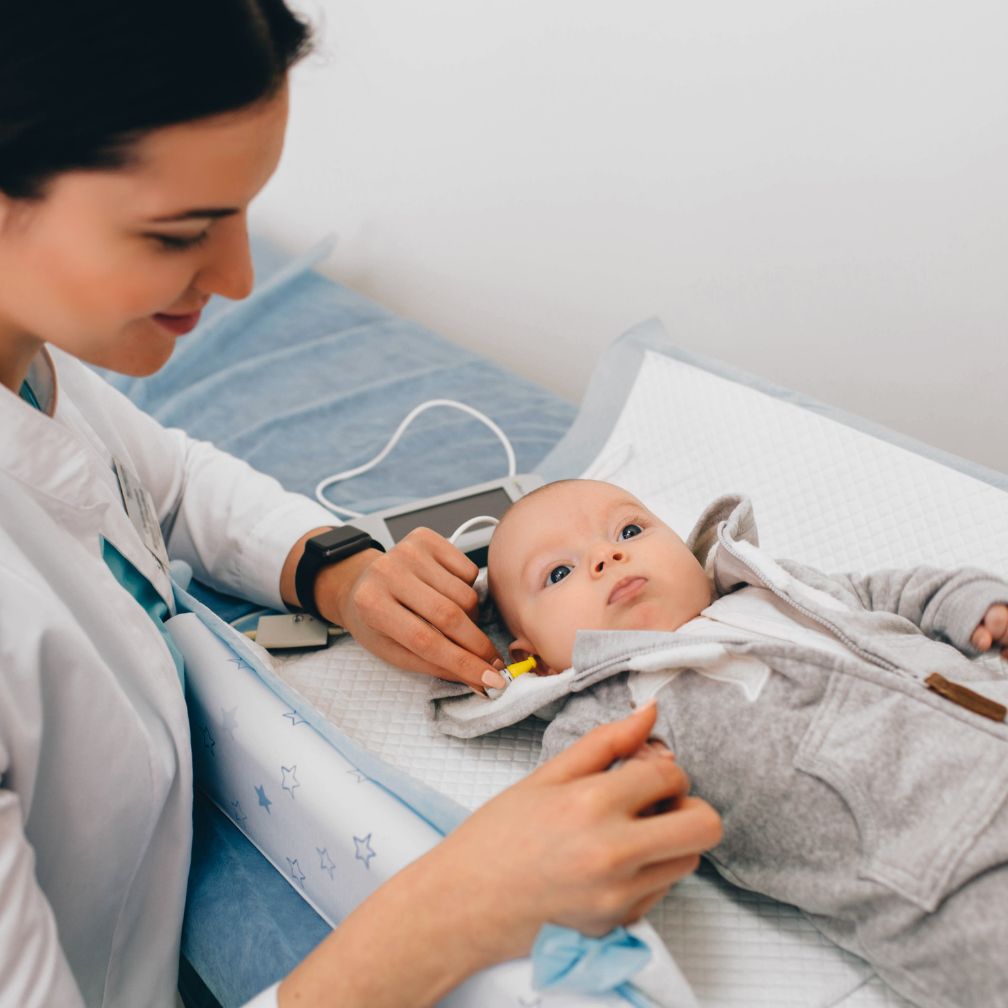
What matters above all else? Swift diagnostic evaluation. Given these guidelines, newborns cared for in United States nurseries receive auditory evaluations prior to heading home. Dedicated pediatric hearing specialists routinely implement the established “1-3-6” care guideline:
- Initial screening executed prior to 1 month
- Definitive medical diagnosis established within 3 months of birth
- Clinical intervention (utilizing corrective devices or speech habilitation) established within 6 months
Reaching these early milestones offers infants their ideal path toward speech, language, and cognitive development. When you need advice concerning these newborn checks, your family pediatrician will gladly offer support!
Understanding Amplification Devices for Infants
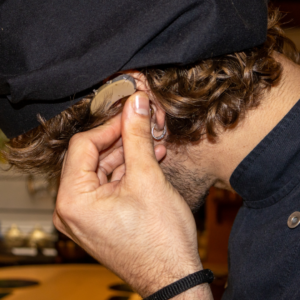
Regarding babies diagnosed with mild to severe auditory loss, digital hearing aids generally constitute the preferred starting point. Specialized, ear-level instruments amplify ambient sound, allowing infants to capture spoken words and everyday acoustic cues more clearly.
Modern infant hearing instruments function as:
- Thoroughly safe for deployment on babies only several weeks old
- Engineered featuring soft, protective ear impressions that adjust seamlessly as the baby grows
- Outfitted with child-resistant battery compartments and child-focused protective features
- Precisely calibrated by a trained pediatric audiologist to mirror your infant’s unique auditory curve
While your child matures, these hearing aids demand periodic adjustments to preserve physical comfort and functional efficacy.
Cochlear Implant Options for Newborns
When a baby presents with severe to profound sensorineural impairment that fails to respond adequately to conventional hearing aids, specialists routinely suggest a cochlear implant. In contrast to traditional hearing aids, cochlear implants:
- Require a specialized surgical operation for precise fit executed by a pediatric specialist
- Safely bypass non-functional structural regions inside the inner ear
- Process incoming sound into refined electrical impulses that directly excite the hearing nerve
Modern cochlear implant systems operate as:
- Fully FDA-approved for pediatric candidates beginning around 9 to 12 months
- Remarkably effective when paired with early auditory-verbal therapy and robust family support
- Sanctioned strictly following a complete diagnostic battery by a certified audiologist and otolaryngologist
Such a comprehensive process requires diagnostic imaging, advanced hearing evaluations, and in-depth discussions surrounding achievable long-term goals.
Comparing Hearing Aids and Cochlear Implants: Key Differences
- Mild to severe hearing loss targets Hearing Aids; Severe to profound hearing loss necessitates Cochlear Implants
- Non-Invasive wearable application: Hearing Aids; Surgical insertion required: Cochlear Implants
- Sound processing amplification: Hearing Aids; Converts Sound Electrical Signals: Cochlear Implants
- Starts at Infancy: Hearing Aids; Starts at 9-12 Months: Cochlear Implants
Final Conclusions: Selecting the Right Path for Your Infant
If your newborn faces a confirmed hearing impairment diagnosis, you can rely on excellent technological options alongside extensive professional backing. Thanks to collaboration with dedicated pediatric audiologists, countless infants successfully cultivate language skills that are on par with their peers.
Whether your baby benefits most from custom hearing aids or a cochlear implant system, early action can make a lifelong difference.
Are you looking for clarity regarding your infant’s hearing development? Contact our clinical team today to arrange a comprehensive evaluation and customized treatment program.