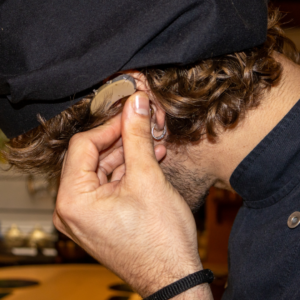

Custom hearing aids function to assist in managing your unique hearing loss situation. Irrespective of whether you are new to prescription hearing aids or are a veteran wearer, if your hearing aids produce headaches or lingering aches, a clear fix is available. An appropriately set hearing aid will remain comfortable in your ear canal and deliver high-quality sound processing aligned with your personal expectations. If your device falls short of these standards, ensuring you own the right model of hearing aid and having it tuned by a hearing instrument specialist is crucial.
Indicators that your hearing aid requires professional adjustment
If your hearing aids are not properly fitted, hearing aids cause headaches, are not being used correctly, or haven’t been adjusted for a long time, the following issues may arise:
Poor Audio Output. Hearing aids that lack proper calibration can overly amplify intense noises, triggering sharp squealing sounds that irritate your auditory system and threaten ear health. Improperly configured hearing aids can also cause faint environmental noises to go unnoticed.
Environmental Feedback Interference. The microphone on your hearing aid might register and exaggerate wind currents, resulting in persistent, piercing feedback sounds.
Chronic Headaches and Ear Ringing. Hearing aids that capture loud noises and boost them excessively can trigger physical ear discomfort alongside severe headaches and persistent tinnitus. This issue standardly manifests in hearing aids where the internal gain parameters have been programmed to excessive levels.
What to Know About Over-the-Counter Hearing Aids
While retail over-the-counter hearing aids, also termed personal sound amplification devices, remain accessible and budget-friendly compared to prescription hearing aids, they cannot be fine-tuned for your personal hearing loss needs.
Enhancing overall auditory clarity demands far more than basic volume increase. Numerous instances of hearing loss involve individuals losing sensitivity to specific sound frequencies. Hearing aid settings also have to be adjusted to allow the individual to be able to hear adequately in different environments.
The Value of Professional Hearing Aid Fitting
An effective approach to verifying correct device alignment is securing services from a dedicated hearing instrument specialist to fit your custom hearing aid. Precise physical impressions can be molded from your ear canal to fabricate a perfectly customized hearing aid. This custom approach ensures you avoid tight-fitting hearing aids that cause headaches. After achieving a comfortable physical fit, your hearing instrument specialist must adjust the internal hearing aid parameters so you can differentiate background chatter from primary speech.
A quality hearing aid must carry automatic environment-matching features, allowing you to tolerate background sounds across different locations without overlap. Completing this fine-tuning often involves a few follow-up appointments with a hearing instrument specialist to verify your hearing aid matches your lifestyle. If your profile shows major hearing loss, clinical updates to your hearing aid are delivered in gradual steps, affording your brain time to process brighter sound inputs.