
A high-pitched whistle from a hearing aid can come on suddenly and be a huge annoyance and distraction if the cause isn’t quickly addressed. We provide specialized diagnostic testing to establish whether whistling originates from ear canal fit, earwax occlusion, incorrect settings, damaged accessories, or internal circuitry issues. Explore why acoustic feedback occurs and which safe home inspections can rectify minor whistling before you require formal clinical assistance.
Why Hearing Aid Feedback Occurs
In most clinical cases, a whistling hearing aid signifies acoustic feedback. A microphone collects sound, the device amplifies it, and the receiver sends it into the ear. If processed sound seeps out of the ear opening and gets captured by the microphone a second time, continuous re-amplification generates a loud whistle.
Transient feedback can occur during device insertion or when objects like cupped hands, brimmed hats, phones, or close hugs reflect sound back toward the ear. While sophisticated digital hearing aids feature adaptive feedback cancellation algorithms, they cannot suppress every momentary acoustic reflection.
Whistling during ordinary use means too much sound may be leaking, blocked, or reentering the microphone. The mechanical or clinical cause must be identified and corrected rather than resigning yourself to the noise or keeping the volume artificially low.
Why Does Acoustic Feedback Occur in Hearing Aids?
Anything that changes the seal, blocks sound from leaving the receiver, increases amplification, or affects a component may trigger feedback. The root issue can develop gradually across daily wear, even if your hearing devices historically functioned without incident.
The most common clinical reasons include:
- Partial insertion or poor positioning of an ear dome, custom earmold, or in-the-ear device
- An earmold or dome that fits too loosely or has lost its structural match to your ear anatomy
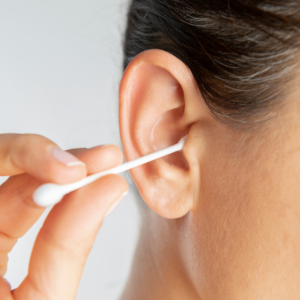
- Significant earwax accumulation that bounces amplified sound toward the outside of the ear
- A blocked protective wax guard, congested sound port, clogged vent line, or occluded tubing
- Volume or amplification set higher than the fitting can support
- A damaged or split ear dome, or acoustic tubing that has hardened, fractured, or shrunk
- Moisture accumulation or internal component failure compromising the receiver or microphone
- Shifts in patient hearing thresholds requiring updated prescription gain or a tighter acoustic seal
Physiological jaw movements during speech, laughter, or chewing can break an insecure earpiece seal and induce squealing.
Our audiology clinicians can examine your ear canal and test the physical instrument whenever the cause remains uncertain.
Hearing Aid Whistling Versus Tinnitus: Clinical Distinctions
Feedback represents an objective external sound generated by the amplification circuitry. It occurs exclusively when the hearing aid is actively powered and fluctuates if you adjust volume, reseat the canal mold, remove nearby reflective objects, or power down. By contrast, tinnitus is a neurological phenomenon where sound is perceived in the absence of an environmental source. The phantom sound can resemble whistling, continuous buzzing, rushing hissing, rhythmic clicks, or roaring inside the ears. Removing your amplification hardware does not silence internal tinnitus. Wearing properly programmed hearing aids commonly provides therapeutic masking that makes tinnitus significantly less intrusive.
Step-by-Step Home Troubleshooting for Hearing Aid Feedback
Initiate troubleshooting using safe steps that never involve opening the device chassis or probing into your ear canal. Work exclusively with clean, moisture-free hands while resting your elbows over a padded surface to protect the instrument.
Proceed through these systematic checks:
- Take out the device and ensure the right or left color marker matches the ear you are treating.
- Inspect the earmold, silicone dome, receiver wire, and tubing for cerumen buildup, structural tears, or loose fittings.
- Clean all acoustic components carefully using the brushes, picks, and cloths supplied by your manufacturer.
- Install a new wax guard or fresh ear dome only if you are familiar with the correct mechanical technique.
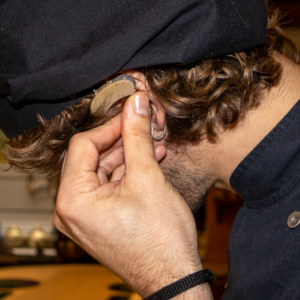
- Reinsert the earpiece fully into the canal, ensuring that the receiver wire or slim tube rests flush against the side of your head.
- Return the volume to its recommended setting.
- Shift hats, hair, telephone screens, and head coverings away from the sensitive microphone openings.
- Power-cycle the hearing aid and confirm that disposable batteries are fresh or the lithium-ion cell is fully charged.
Do not use water, household cleaners, pins, or sharp tools unless the manufacturer permits that method.
Distinguishing Between Hearing Aid Hardware Failure and User Error
Whistling that resolves following proper reinsertion, wax debridement, volume reduction, or object removal generally reflects standard operational factors. Whistling from a powered hearing aid outside the ear can also be normal because there is no seal to contain the sound. Internal hardware failure becomes suspected when feedback whistling continues despite verified full insertion, clean receiver ports, moderate volume, and a stable earpiece. Further red flags for device damage include audio distortion, intermittent transmission, severely muffled output, non-functional controls, random shutdowns, charger connectivity issues, or battery corrosion. Torn tubing, fractured receiver wires, defective microphone ports, or damaged internal components require professional audiology care.
When using bilateral hearing aids, evaluate the whistling instrument against the working one for differences, but never swap left and right units across ears. Our clinical team can conduct objective electroacoustic analysis to decide if deep debridement, software fine-tuning, component replacement, or factory repair is indicated.
What Are Signs That Hearing Aids Have an Improper Fit?
A correctly fitted device should stay firmly anchored without generating continuous pressure, friction, or pain. Poor physical adaptation permits amplified acoustic leakage to bypass the earpiece, particularly when speaking, smiling, or chewing.
Common indicators of an improper fit include:
- Frequent acoustic feedback flaring up during ordinary sedentary use
- A dome or earmold shell that creeps outward and loses its canal seat
- A receiver wire that protrudes outward rather than resting snugly against your head
- An earpiece that physically displaces whenever you smile, chew, or talk
- Localized ear soreness, tissue redness, surface chafing, or tender pressure spots
- A heavy, unnatural blocked feeling inside the ear canal that never acclimates
- Sound that changes when you press the earpiece inward
The anatomical geometry of your ear changes over time, while silicone domes, acoustic tubes, and custom earmolds experience physical breakdown. Resolving these issues may require switching dome sizes, resizing the receiver wire, installing fresh tubing, taking a new ear impression for a replacement mold, or adjusting software gain.
Schedule a Hearing Aid Check
Ongoing whistling does not mean you must replace your hearing aids. Book an appointment with our clinic for a detailed examination of your ears, auditory status, physical coupling, and electroacoustic hearing-aid performance. We can help you learn whether you need earwax management, updated programming, replacement tubing or domes, a new earmold, or professional repair.
Reach out to our clinical office to schedule your hearing aid check.