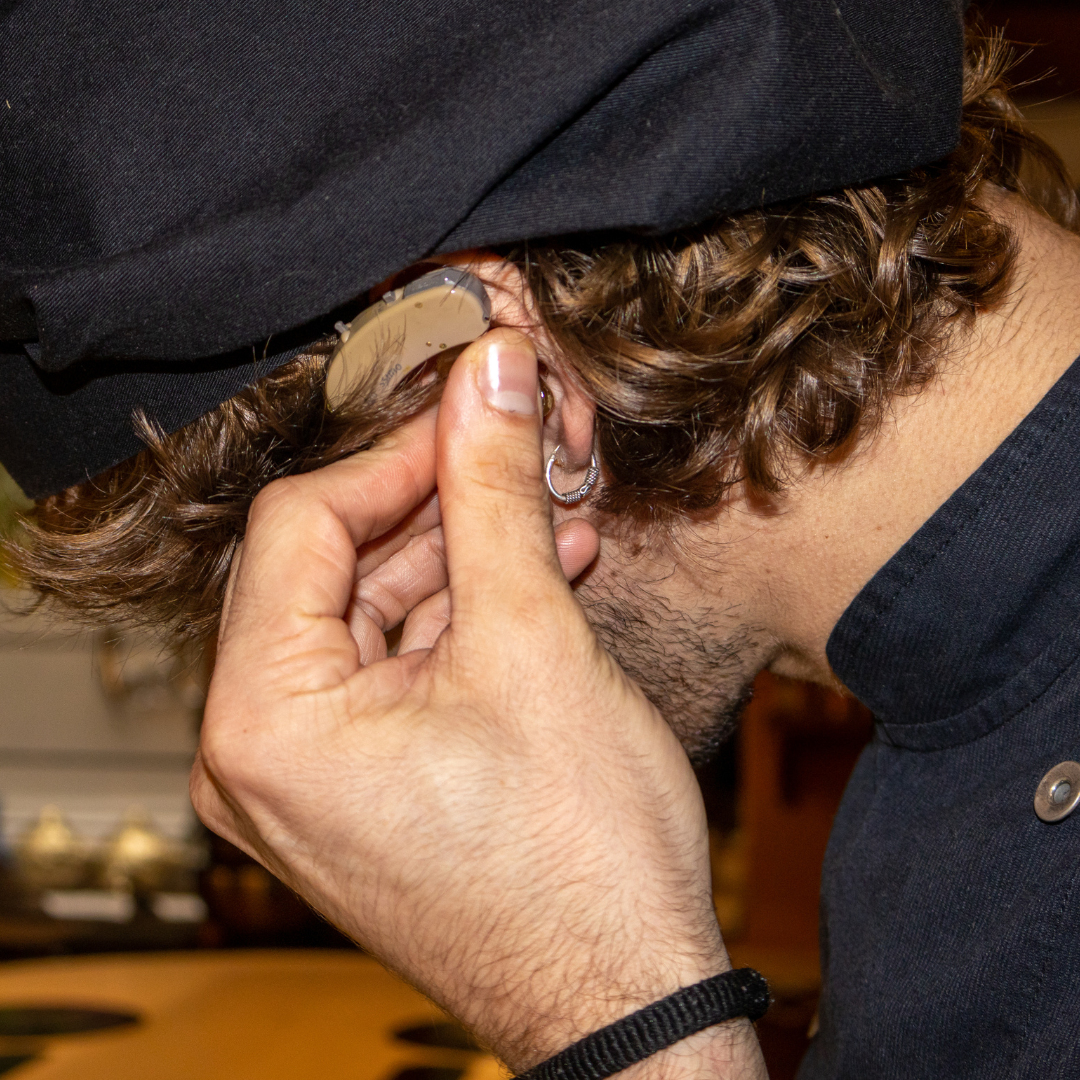
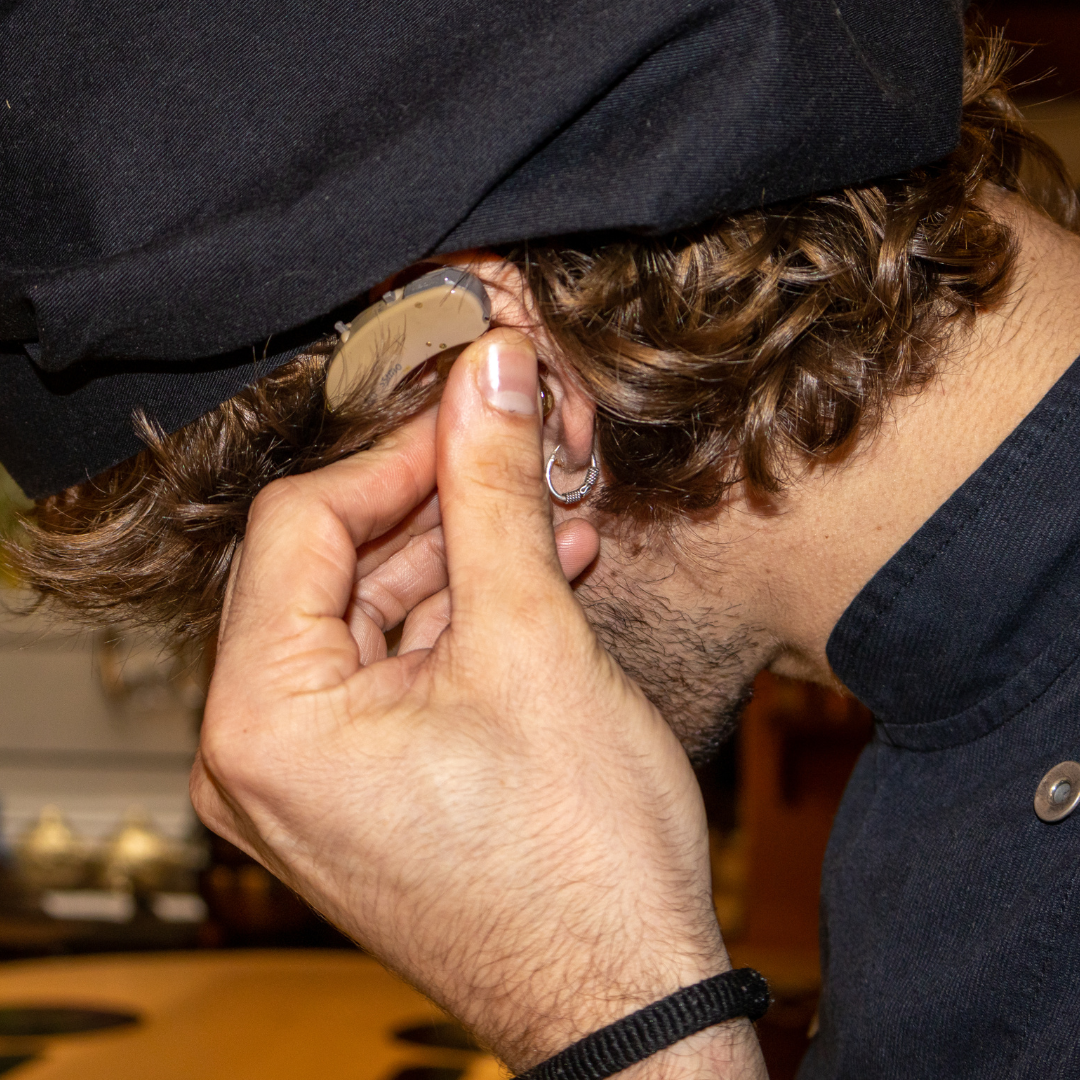
Following dinner conversations becomes challenging when high ambient noise interferes with your focus and hearing. We perform comprehensive diagnostic assessments to evaluate hearing in quiet rooms and challenging acoustic spaces to identify functional deficits. When we isolate the root mechanism behind your difficult hearing, we guide you toward customized communication solutions.
Explaining Normal Quiet Hearing Versus Restaurant Listening Fatigue
Low-noise environments yield an advantageous signal-to-noise ratio where primary speech remains significantly louder than background sound. Restaurants create the opposite situation. Background voices, loud music, service clatter, and wall reflections collide with spoken words, demanding heightened cognitive processing to isolate individual speech.
These communication barriers frequently indicate high-frequency hearing loss, central auditory-processing disorders, or age-related sensorineural changes. Poor visual illumination, mental fatigue, physical distance from the speaker, and divided focus exacerbate speech-recognition problems. Some patients pass standard pure-tone evaluations with normal scores yet exhibit substantial impairment during specialized speech-in-noise testing. Consistent difficulty following restaurant conversation warrants clinical investigation even when everyday hearing seems largely unaffected.
How Audiologists Identify High-Frequency Hearing Loss
Diagnostic assessment begins by documenting specific listening breakdowns, recreational noise exposure, tinnitus symptoms, medications, and hereditary auditory patterns.
Through pure-tone audiometry, we determine your faintest auditory perception across low to high pitches utilizing both air and bone conduction testing. High-frequency loss often creates an audiogram pattern in which thresholds become poorer as pitches rise. Comprehensive evaluations frequently include impedance tympanometry to examine middle-ear function and recorded word-recognition testing to measure speech understanding.
Given that isolated quiet booths do not reflect chaotic restaurant acoustics, specialized speech-in-noise testing delivers invaluable diagnostic data. It evaluates sentence-level speech comprehension as competing background babble increases in volume. In combination, these diagnostic metrics reveal whether communication hurdles involve audibility thresholds, speech discrimination, neural noise management, or mixed conditions.
Auditory Processing Disorders: Impact on Adult Communication
An auditory processing disorder affects how the central auditory nervous system interprets sound. While peripheral ears may register soft tones normally, the auditory cortex struggles to filter competing noise, resolve phonetic contrasts, or keep pace with rapid conversation. Our clinical team starts by examining peripheral auditory thresholds, subsequently deciding if an auditory-processing test battery or multidisciplinary consultation is necessary.
What Strategies Can Improve Hearing in Noisy Environments?
Small changes can improve the signal reaching your ears and provide clearer visual cues. Prioritize dining at establishments designed with subdued acoustics or reserve tables during non-peak business hours. Facilities equipped with upholstered booths, acoustic baffles, fabric curtains, carpeted floors, and soft materials prove far easier on hearing than minimalist, hard-tiled spaces.
When arriving at the dining venue:
- Request table placement positioned away from dishwashing stations, bustling bars, sound speakers, and celebratory gatherings.
- Position yourself with your back toward a solid partition to dampen intrusive background noise from behind.
- Face your speaking partners directly in well-illuminated seating to maximize visual speech cues.
- Sit as close to the speaker as comfort permits to preserve speech volume and clarity.
- Angle your stronger-hearing ear toward the primary individual you wish to converse with.
- Request that companions rephrase misunderstandings using different words rather than repeating the same sentence.
- Validate significant pieces of information directly rather than feigning understanding during dialogue.
- Allow yourself a short listening respite when auditory concentration starts to feel drained.
- Encourage friends to enunciate clearly while maintaining an even, normal conversational tempo.
- Shouting can distort speech and does not necessarily make words easier to understand.
What Are the Best Tools for Hearing with Background Noise?
The best technology depends on the cause of the difficulty, the listening environment, and whether hearing loss is present. Professionally fitted hearing aids may use directional microphones, digital noise reduction, and dedicated restaurant programs to emphasize speech from the front and reduce some competing sound. Maintaining realistic expectations remains essential, as no auditory device can isolate conversation by removing all surrounding voices.
Utilizing an external remote microphone can deliver a dramatically superior signal-to-noise ratio. The microphone is placed near or worn by the speaker and sends that voice directly to compatible hearing aids or another receiver. This reduces the effects of distance and surrounding noise.
Supplementary auditory solutions include:
- Wireless conference table microphones that capture multi-speaker discussions
- Telecoil components connecting directly to public hearing-loop systems
- Smartphone speech-to-text or live-captioning applications
- Earbuds or hearables with compatible assistive-listening features
- Sound-level or restaurant-review tools for finding quieter locations
We evaluate these technological options, ensure full hardware compatibility, and instruct you on maximizing your selected system.
Clinical Audiology Care for Hearing in Complex Noise
A professional clinical assessment moves beyond basic baseline statements like “I hear fine in quiet rooms.” We analyze the exact social venues, voice registers, and noise environments that cause difficulty to administer tests matching your lifestyle. The assessment may include pure-tone thresholds, middle-ear testing, word recognition, and speech-in-noise measures. Specialized auditory-processing testing can be ordered when patient history and preliminary audiometric findings warrant deeper neural investigation.
Abrupt auditory reductions, unilateral hearing shifts, or rapid functional deterioration require prompt assessment by an ear, nose, and throat physician. Individualized diagnostic care pinpoints the precise physiological etiology rather than merely blaming restaurant noise for communication struggles.
Schedule a Diagnostic Hearing Evaluation Right Away
If crowded restaurant settings cause you to feel disconnected, tired, or forced to guess at conversations, arrange a diagnostic hearing evaluation today. We will help you navigate hearing in noisy environments by implementing advanced hearing aid options, assistive accessories, or therapeutic auditory strategies tailored to your lifestyle.
Contact our audiology office today to schedule your evaluation and move toward effortless, confident conversations.