
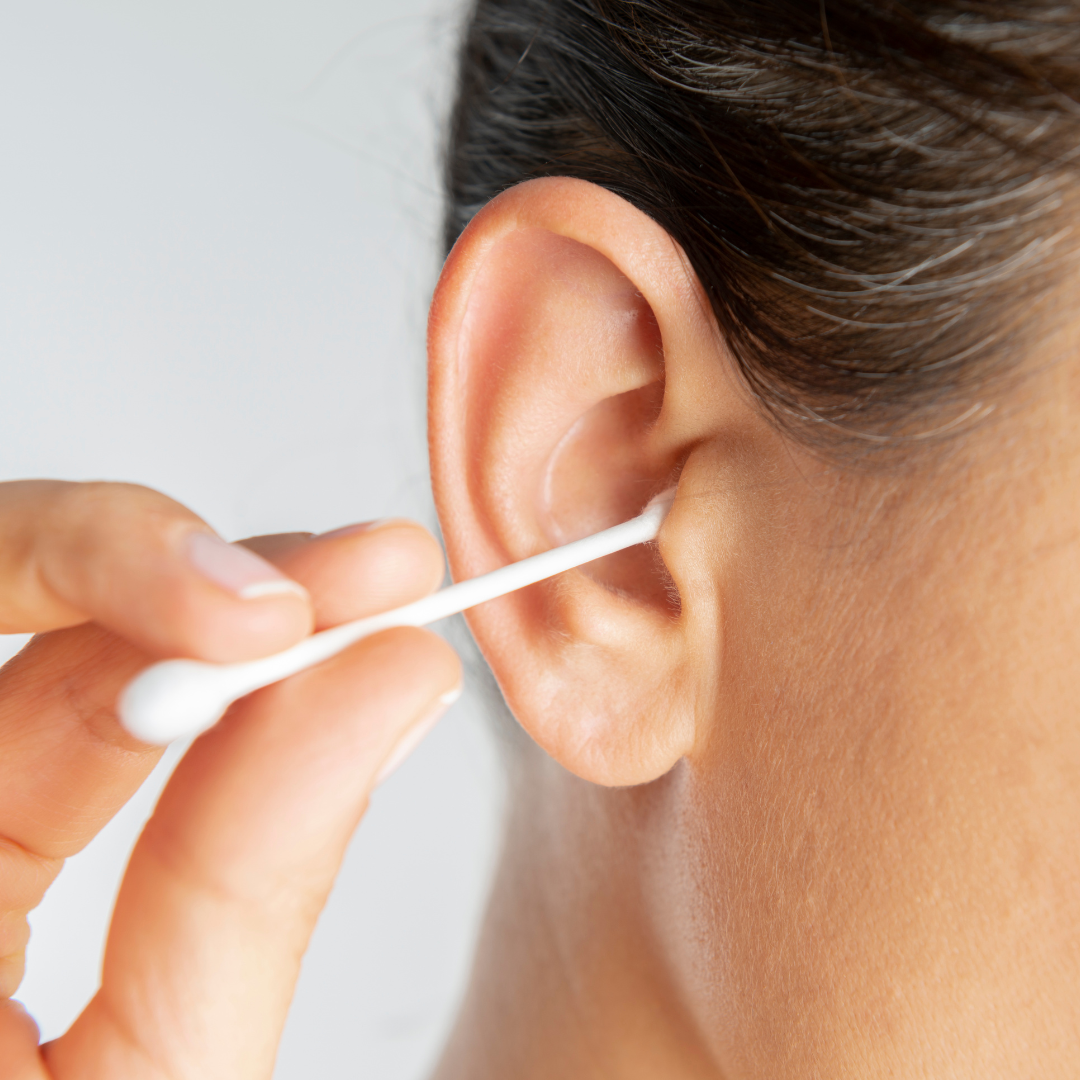
While many consider cotton swabs handy cleaning devices, placing them in the ear canal disrupts natural clearing and causes physical damage. We perform thorough examinations to verify if earwax removal is necessary and select appropriate procedures for your ear condition. Most ears do not mandate routine physical scrubbing; yet, if accumulation occurs, we guide patients through safe cerumen management.
Understanding the Risks of Using Q-Tips in the Ear
Biologically, earwax—known clinically as cerumen—is not an unhygienic waste product. Cerumen collects particulate matter, inhibits microbial proliferation, moisturizes the epithelial lining, and shields sensitive canal tissues. Jaw movement and normal skin migration gradually carry old wax toward the ear opening, where it flakes away or washes off during bathing.
Pushing a cotton applicator past the canal opening disrupts this natural physiological transport. Even though the applicator collects minor residue, it typically drives the bulk of cerumen directly toward the delicate eardrum. Frequent swab use consolidates soft wax into a rigid barrier, generating an uncomfortable plugged sensation that fosters continuous overcleaning.
While cotton swabs are acceptable for cleansing the external folds of the pinna, they must never pass into the ear canal.
How Cotton Swabs Cause Physical Trauma to the Ear
Canal skin is thin, vascular, and highly vulnerable to mechanical abrasions. Microscopic tears cause acute discomfort or hemorrhage while exposing tissue to bacteria, which heightens the probability of an outer ear infection. In addition, the cotton head can loosen and become retained as an obstructing foreign object in the ear.
Documented injuries associated with cotton swabs include:
- Earwax pushed into a deeper impaction
- Canal abrasions, dermal irritation, edema, and hemorrhage
- Bacterial or fungal ear canal infection
- Foreign matter or cotton material lodged in the ear
- A torn or perforated eardrum
- Damage to the tiny acoustic middle-ear bones
- Transient hearing reduction or permanent sensorineural loss
- Onset of tinnitus, positional dizziness, or acute ear pain
Though critical trauma is uncommon, an unexpected collision, a sudden slip, or overzealous penetration can cause extensive ear injury.
How Frequently Should You Remove Earwax?
Most individuals do not need to perform earwax maintenance on a calendar schedule. Functional ear canals naturally evacuate wax, and everyday washing clears away deposits on the outer ear. Excessive cleaning strips natural oils, inflames delicate canal skin, and substantially elevates the chance of infection or impaction.
Professional removal is necessary when wax obstructs the canal, obscures our view of the tympanic membrane, hinders a hearing aid, or creates physical symptoms.
What Are Safe Ways to Remove Earwax At Home?
If your earwax produces no noticeable complaints, leaving it alone is typically the safest protocol. Use a damp, soft cloth to clean only the exterior ear structures, allowing the inner canal to maintain itself.
If cerumen requires softening, we might suggest an over-the-counter preparation or ear drops formulated with carbamide peroxide, mineral oil, saline, or glycerin. Apply only the specified dosage and never exceed the designated application duration outlined on the label. Stop treatment promptly if the drops elicit sharp pain, noticeable dizziness, allergic rash, or worsening hearing complaints.
Performing irrigation at home is unsafe for certain individuals and must only proceed after a clinician verifies ear safety and explains the protocol. Absolutely avoid using high-velocity dental water jets inside your auditory canal. Avoid hazardous gadgets including ear candles, sharp metal loops, camera-assisted tools, hair clips, and home vacuum extractors. These questionable products can burn sensitive tissues, lacerate the canal, rupture the eardrum, or compact wax deeper.
When Should I See a Doctor for Earwax Removal?
Schedule an appointment when an ear remains plugged after an appropriate softening treatment, wax appears deeply impacted, or home care repeatedly fails. Professional removal is also preferable when a person cannot safely hold still, has a narrow ear canal, uses hearing aids, or has medical or surgical factors that make drops or irrigation risky.
Obtain a focused audiological evaluation for:
- Ear pain, persistent itching, or tenderness
- Hemorrhagic discharge, purulent fluid, clear otorrhea, or foul-smelling drainage
- Systemic fever or noticeable swelling around the auricle
- Newly developing ringing in the ears or balance disturbances
- Rapid-onset hearing impairment or ongoing hearing deficits post-cleaning
- A suspected perforated eardrum or retained cotton tip
- Recurrent impaction that affects hearing devices
Any rapid-onset hearing loss in one ear must be evaluated as an emergency rather than dismissed as a wax plug. Timely clinical evaluation distinguishes benign wax blockages from urgent inner ear pathologies requiring rapid steroid therapy.
How Can a Doctor Remove Excess Earwax?
The clinical process starts with high-magnification otoscopy or microscopy to establish cerumen presence and screen for infections, abrasions, or tympanic perforations. The ideal extraction strategy is dictated by the consistency of the wax, ear canal dimensions, clinical background, past ear procedures, and patient physical stability.
Standard clinical removal options include:
- Topical cerumenolytic drops applied prior to or during the clinical visit
- Controlled irrigation with body-temperature fluid when the eardrum is intact
- Gentle suction under direct visualization
- Mechanical extraction using sterile ear loops, specialized curettes, or micro-forceps
Continuous visual monitoring enables the practitioner to navigate around sensitive epithelial tissue and pause immediately if discomfort arises. Dense or desiccated cerumen impactions frequently necessitate using more than one removal method. After clearance, we conduct a follow-up visualization to ensure the canal walls and tympanic membrane show no complications. Should lingering fullness, tinnitus, balance instability, or reduced hearing continue, targeted diagnostic exams can pinpoint the secondary factor.
Contact Us for Safe Professional Earwax Removal
When your ears feel plugged or you notice auditory changes, schedule an appointment with our specialists instead of grabbing a cotton swab. The diagnostic session entails reviewing your symptom timeline, past otologic procedures, hearing aid usage, past home treatments, and risk factors for recurring cerumen. Get in touch with our team to request a specialized earwax-removal consultation.