

 Approximately 22 million U.S. workers are exposed to hazardous noise levels at work, according to NIOSH. Occupational noise-induced hearing loss costs an estimated $242 million per year in workers’ compensation, making it not just a personal health issue but a significant economic one.
High-risk occupations include construction, manufacturing, agriculture, mining, military service, aviation, and music. NIOSH recommends a comprehensive workplace hearing conservation program that includes:
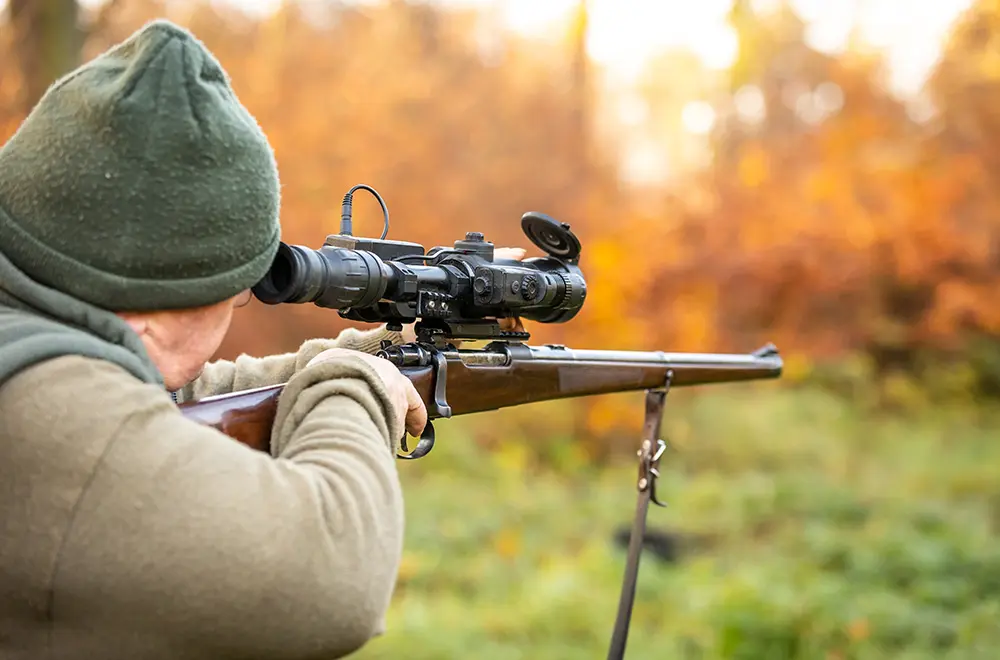 Firearm noise is among the most damaging sounds the ear encounters. Most gunfire ranges from 130–165 decibels at the shooter’s position, well above the 140 dB threshold at which immediate, permanent damage can occur with a single exposure. Without protection, a single gunshot can cause permanent hearing loss.
At the same time, hunters need situational awareness: the ability to hear game movement, other hunters, and environmental sounds. Standard foam earplugs, while protective, eliminate this capability. The solution:
- Electronic hearing protection: custom or standard earmuffs with built-in amplification for ambient sounds below a safe threshold (typically 82–85 dB), combined with automatic compression that instantly muffles gunfire impulses above that level. You hear game movement clearly; the shot is suppressed to a safe level.
- Custom electronic plugs: same technology in a custom-molded earplug format; more comfortable for all-day wear and better suited to hearing aids users or those who find over-ear muffs uncomfortable under shooting glasses or hats
- NRR (Noise Reduction Rating) of at least 25 dB is recommended for firearm use; doubling up earplugs inside earmuffs is appropriate for repeated exposure (e.g., range shooting)
 Law enforcement officers face a unique hearing risk profile: routine exposure to gunfire during qualification and training (often without consistent protection), potential for weapons discharge in enclosed spaces during incidents, and cumulative exposure to vehicle sirens, radio communications, and crowd noise over a career.
Studies show that law enforcement officers have significantly higher rates of hearing loss than age-matched general population controls. Custom hearing protection that provides electronic amplification and impulse noise suppression is the most appropriate solution. It protects against firearm noise while maintaining situational awareness and the ability to hear radio communications, commands, and environmental sounds.
Officers who have already experienced hearing loss should also be aware that untreated hearing loss can affect job performance, communication clarity, and situational awareness. A hearing evaluation and, where appropriate, hearing aids are worth discussing with an audiologist.
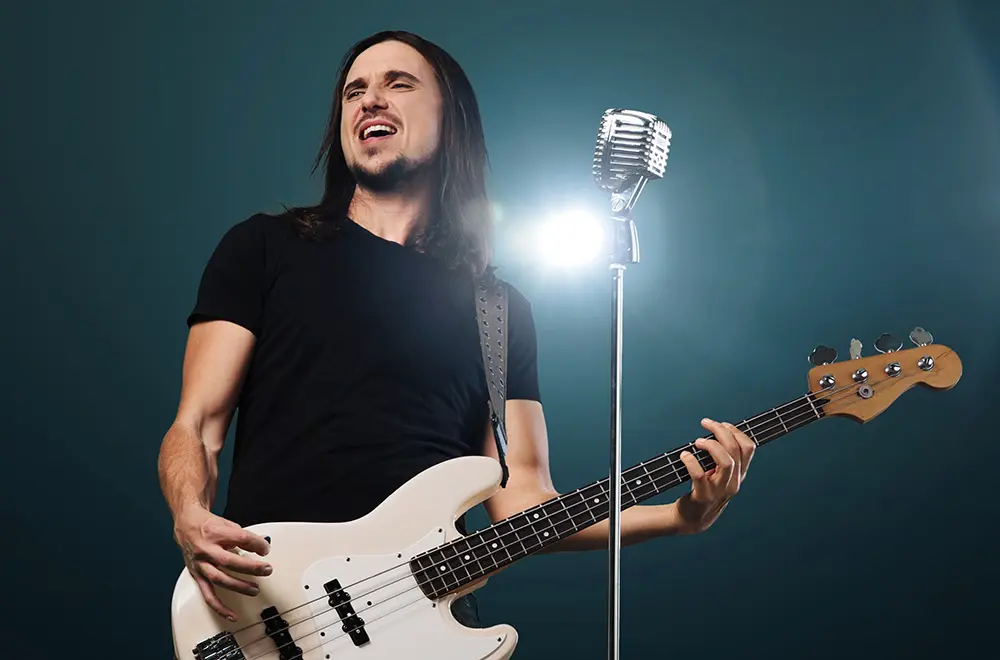 Musicians represent one of the highest-risk groups for occupational hearing loss. Professional musicians are up to four times more likely to develop noise-induced hearing loss and 57% more likely to develop tinnitus than the general population. Rock, pop, and classical musicians are all affected. Orchestral musicians regularly measure stage volumes exceeding 90 dB.
Standard foam earplugs are not appropriate for musicians. They attenuate high frequencies more than low and mid-range frequencies, distorting the sound and making it nearly impossible to perform accurately. The solution is musician-specific hearing protection:
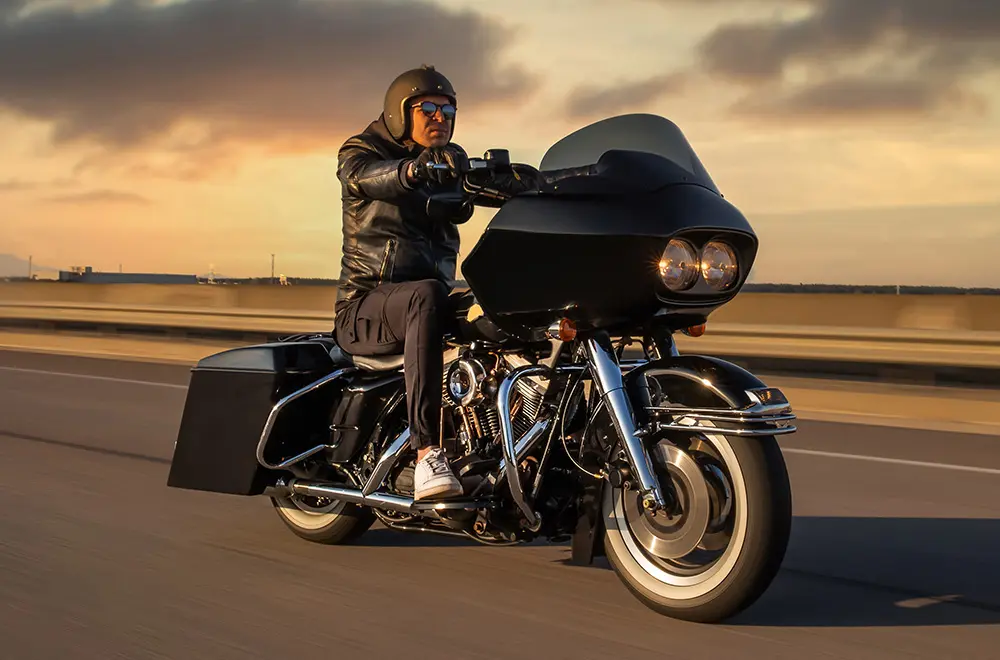 Wind noise while riding a motorcycle at highway speeds routinely reaches 90–110 dB, well above the 85 dB damage threshold, even while wearing a helmet. This is not engine noise; it is turbulence noise generated at the helmet’s edges and vents. Prolonged riding without hearing protection causes cumulative cochlear damage that is entirely preventable.
Motorcycle-specific earplugs are designed to reduce wind and road noise while preserving the frequencies needed to hear traffic, horns, and emergency vehicles. They are small, comfortable under a helmet, and available in both disposable foam and custom-molded versions.
 Power tools used in home improvement and construction routinely reach dangerous levels: circular saws (105 dB), pneumatic nail guns (103 dB), angle grinders (100 dB), and hammer drills (98 dB). Even occasional DIY work without protection contributes to cumulative hearing damage over years.
A simple foam earplug worn consistently while using power tools costs almost nothing and prevents permanent damage. For professionals who use tools all day, custom-fit plugs or electronic earmuffs that allow speech communication while suppressing machinery noise are a worthwhile investment.