
Tinnitus Relief in Lakeland and Winter Haven, FL
Tinnitus is the perception of sound that is not actually there. It may sound like ringing, buzzing, whooshing, humming, or chirping, and it may occur in one or both ears. For some, it occurs occasionally. For others, it is persistent and affects concentration, sleep, or emotional well-being.
At Aspire Hearing Solutions, we understand how disruptive tinnitus can feel. With a thoughtful evaluation and the right strategies, many people experience meaningful relief from tinnitus.
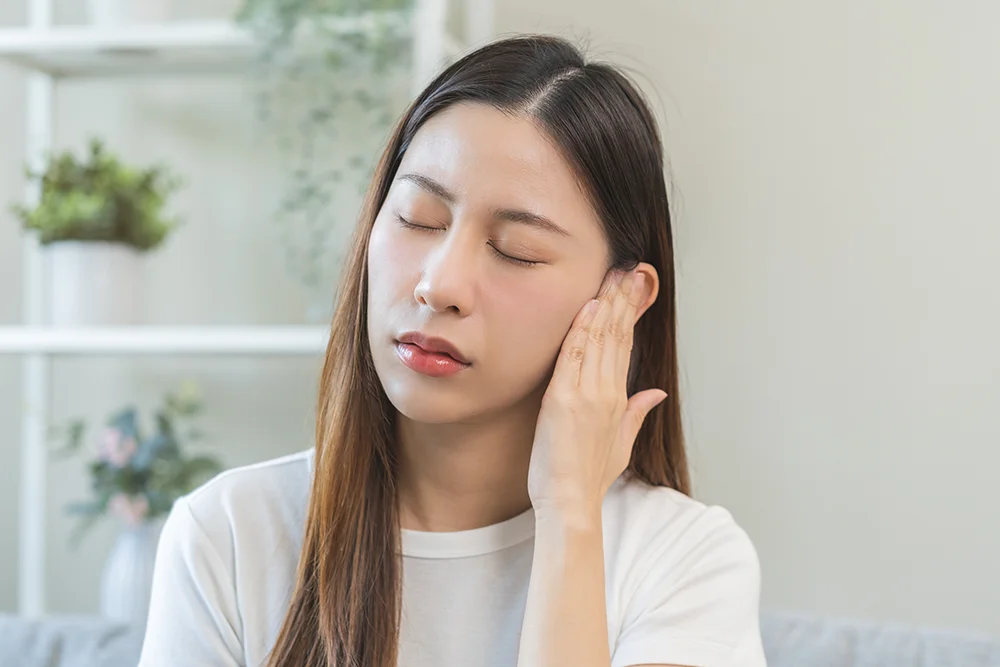
Understanding What Causes Tinnitus
Tinnitus is not a disease but a symptom. It can be linked to:
- Age-related hearing changes
- Noise exposure
- Circulation-related concerns
- Ear injury
- Middle ear issues
- Stress or fatigue
- Certain medications
- Temporomandibular joint (TMJ) concerns
Your evaluation may include a detailed history, a hearing assessment, and, if needed, specialized tinnitus matching or sound-tolerance assessments.
Tinnitus Treatment Options
Depending on your results, we may recommend:
Hearing Devices
Amplifying environmental sound often reduces the contrast between silence and tinnitus. Many modern hearing aids include built-in tinnitus features that play soft tones or calming soundscapes.
Sound Therapy
White noise, nature sounds, or gentle background audio help many people feel less aware of tinnitus.
Tinnitus Retraining Therapy (TRT)
Combines sound therapy with education to help the brain gradually tune out tinnitus over time.
Cognitive Behavioral Therapy (CBT)
A beneficial option for those whose tinnitus creates stress, fear, or difficulty sleeping.
Lifestyle and Relaxation Strategies
Stress management, exercise, mindfulness, and healthy sleep habits often improve tinnitus comfort.
When to Seek Help
If tinnitus is ongoing, disruptive, or accompanied by sudden hearing changes, dizziness, or ear pain, an evaluation is an important next step.
Find Relief and Support
You do not have to live with tinnitus alone. We can help you explore strategies that bring comfort and control back into your life.
Tinnitus FAQs
What is tinnitus?
Tinnitus refers to hearing a sound inside the ears or head when no external source is present. People often describe it as ringing, buzzing, humming, clicking, or a gentle whooshing.
Is tinnitus a disease?
Tinnitus is not a disease on its own. It is a symptom that can be associated with hearing loss, ear injury, circulation changes, or other medical conditions.
Can tinnitus be cured?
There is no universal cure for tinnitus. However, many people find significant relief through hearing aids, sound-based treatments, lifestyle adjustments, or counseling strategies designed to reduce its impact.
How does hearing loss relate to tinnitus?
Tinnitus and hearing loss often occur together. When hearing decreases, the brain may increase internal sound activity, which can make tinnitus more noticeable. Improving hearing frequently reduces the perceived intensity of tinnitus.
When should I see a professional about tinnitus?
You should seek an evaluation if tinnitus is ongoing, disrupts your concentration or sleep, becomes suddenly louder, or appears alongside unexpected hearing changes.