
Hearing Aid Batteries and Accessories in Lakeland and Winter Haven, FL
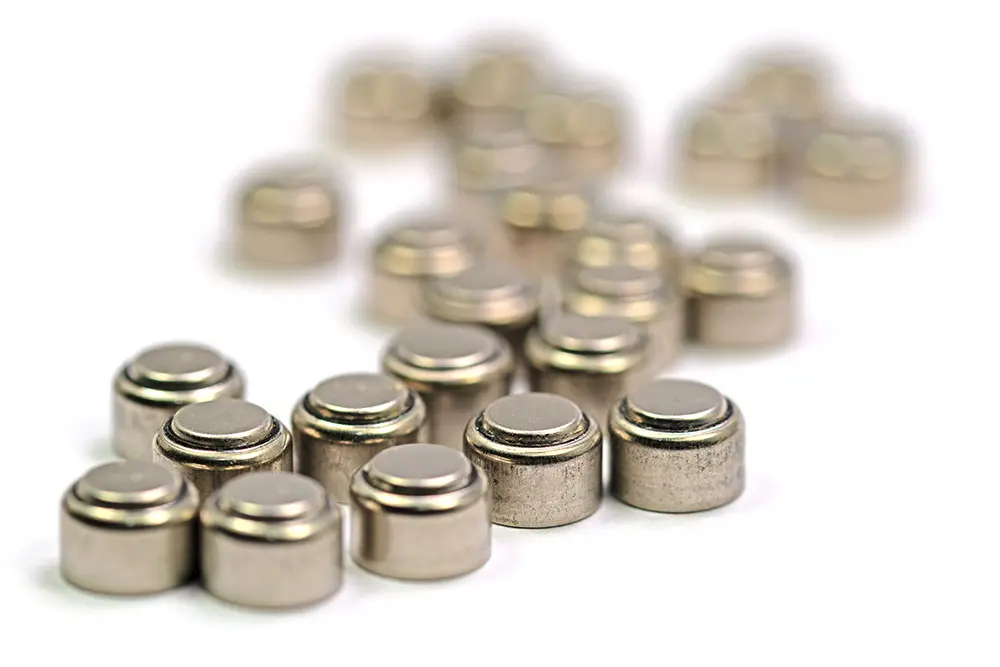 Your hearing aids work hard every day, and keeping them powered, clean, and properly equipped makes all the difference in how well they perform. At Aspire Hearing Solutions, we stock the batteries, replacement parts, cleaning tools, and wireless accessories our patients need to get the most out of their devices. Not sure what you need? That’s what we’re here for. Our team will walk you through exactly what’s right for your specific hearing aids, no guesswork required.
Which type of hearing aid battery do you need?
Not all hearing aids use the same type of battery, and the right choice depends on your device, your lifestyle, and your personal preferences. Here’s what you need to know about the two main options.
Rechargeable Batteries
Modern hearing aids increasingly use built-in lithium-ion rechargeable batteries, the same technology found in smartphones and other everyday devices. Simply place your hearing aids in their charging case each night when you take them out, and they’ll be fully powered and ready to go by morning.
Rechargeable hearing aids tend to cost a little more upfront, but they eliminate the ongoing expense and hassle of buying and handling tiny disposable batteries. They’re also more environmentally friendly. For patients with dexterity challenges, rechargeable devices can be a game-changer: no small tabs to peel or small batteries to swap out.
Disposable (Zinc-Air) Batteries
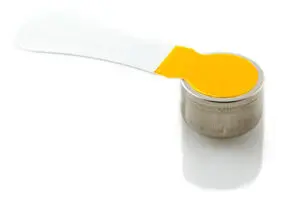
Disposable hearing aid batteries use zinc-air technology. Each battery comes with a factory-sealed color tab. Once you peel the tab off and expose the battery to oxygen, it activates. A useful tip: after removing the tab, wait about 60 seconds before inserting the battery. This short activation window allows maximum oxygen absorption and can meaningfully extend battery life.
Stored correctly at room temperature in a dry place, unused zinc-air batteries can last up to three years, so it’s worth keeping a good supply on hand. Disposable batteries remain the standard for many hearing aid styles and are available in four universal sizes, making them easy to find and reorder.
Not sure which battery type your hearing aid uses? Give us a call and we’ll point you in the right direction.
Finding the Right Battery Size: It’s Easier Than You Think
If you use disposable batteries, you’ll be happy to know the sizing system is standardized across every major hearing aid manufacturer. Each size has a universal number and a corresponding color printed on the battery tab, so once you know your color, reordering is simple.
| Color | Size | Average Lifespan (at ~16 hrs/day) |
|---|---|---|
Blue
| 675 | 9–20 days |
Orange
| 13 | 6–14 days |
Brown
| 312 | 3–10 days |
Yellow
| 10 | 3–7 days |
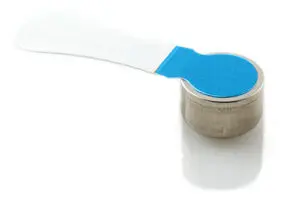
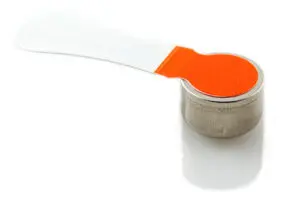
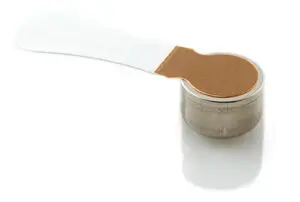
Keep in mind that battery life varies depending on your hearing aid model, your degree of hearing loss, and how hard your devices are working. Using Bluetooth streaming, spending time in noisy environments, or running advanced processing features will all draw more power and shorten battery life. That’s perfectly normal.
Signs your battery needs replacing:
- Sound becomes muffled or distorted
- Your hearing aid cuts in and out
- You hear the low-battery warning beep (most devices will alert you)
- Volume seems lower than usual even after adjusting settings
Your audiologist will tell you the exact size and color for your device during your fitting, and if you’re ever unsure, the color is printed right on the battery tab of your current pack.
Getting the Most Out of Every Battery
A few simple habits can help your batteries last longer and make sure you’re never caught without power at an inconvenient moment.
Store batteries at room temperature
Heat, cold, and humidity all shorten battery life. A bedside table drawer is ideal. Your batteries will be right there when you put your hearing aids in each morning. Your hearing aids and your batteries both prefer the same comfortable room temperature you do.
Never store batteries in the refrigerator
It’s a common myth that cold storage extends battery life. In reality, the condensation that forms when batteries warm back up can damage them before you’ve even used them.
Wait before inserting
After peeling the tab from a zinc-air battery, let it sit for 60 seconds. This gives the battery time to fully activate and can add hours to its lifespan.
Open the battery door at night
When you’re not wearing your hearing aids, open the battery compartment door. This reduces power drain and lets any built-up moisture escape, particularly important here in Central Florida where humidity is a year-round factor.
Keep a one-month supply on hand
That’s roughly 8–10 batteries. Reorder when you’re down to four, enough buffer to account for shipping time if you order online, or to remind you to pick some up on your next visit.
Keep Your Hearing Aids Clean and Keep Them Longer
Earwax and debris are the leading cause of hearing aid performance problems and premature device failure. A simple daily cleaning routine and the right tools to do it can dramatically extend the life of your hearing aids and keep them sounding their best.
What a standard cleaning kit includes: Most hearing aid cleaning kits ($20–$30) come with everything you need for daily and weekly maintenance:
- Soft-bristle brush for clearing debris from microphone ports and vents
- Wax pick or wire loop for removing stubborn buildup from the speaker tip
- Cleaning cloth or wipes for wiping down the device body
- Vent cleaner for behind-the-ear (BTE) tube styles
- Some kits also include a battery door opener and a magnetic battery placement tool, especially helpful for patients with limited dexterity
A quick brush and wipe at the end of each day takes less than a minute and makes a real difference over time.
Advanced Maintenance: Drying Boxes & UV Sanitizers
Living in Lakeland or Winter Haven means dealing with year-round heat and humidity, and moisture is one of the most common causes of hearing aid damage. Even normal daily wear introduces sweat and condensation into your devices.
Drying boxes and dehumidifiers ($150–$250) work overnight to draw moisture out of your hearing aids, protecting the internal electronics and extending device lifespan. Many models also double as a charging station for rechargeable hearing aids.
UV-C sanitizing systems ($150–$200) go a step further, sanitizing your devices while they dry, eliminating bacteria and reducing the risk of ear infections.
For Central Florida patients especially, a drying box isn’t a luxury. It’s worthwhile preventive care for a significant investment.
Cleaning brushes should be replaced every 3–6 months as they collect debris and become less effective over time.
Ask our team which cleaning solution is right for your hearing aid style. We’re happy to show you what we stock in-office.
Small Parts, Big Impact: Wax Guards, Domes and Tubes
Hearing aids rely on a handful of small consumable components that need regular replacement. Most patients aren’t told about these at fitting, but keeping up with them is one of the simplest ways to protect your device and maintain sound quality.
Wax Guards and Filters
Wax guards are tiny filters that sit at the tip of your hearing aid’s receiver (speaker), blocking earwax from entering the device. They’re one of the most important, and most overlooked, maintenance items for hearing aid users.
Not every hearing aid uses wax guards, so check with your audiologist if you’re unsure. When they do apply, they should be changed regularly based on how much earwax you naturally produce. Signs it’s time for a new wax guard include muffled or reduced sound even with a fresh battery. A clogged wax guard is one of the most common reasons patients come in thinking their hearing aid is broken, when the fix takes about 30 seconds.
Domes and Ear Tips
Domes are the small silicone tips that sit at the end of receiver-in-canal (RIC) and some behind-the-ear hearing aid styles. They come in three main types:
- Open domes: small openings that allow natural sound in alongside amplified sound; ideal for mild-to-moderate high-frequency hearing loss
- Closed domes: sealed design for stronger, fuller amplification; suited to moderate hearing loss
- Power domes: maximum seal for patients requiring strong low-frequency amplification
Domes also come in small, medium, and large sizes. The right fit affects both comfort and sound quality. A dome that’s too loose can cause feedback, while one that’s too tight can cause discomfort. Plan to replace domes every 1–3 months depending on your earwax levels and how frequently you wear your hearing aids.
Tubing (BTE Styles)
If you wear a behind-the-ear hearing aid with a thin tube connecting the device to your ear, that tubing needs periodic replacement. Over time it becomes stiff, brittle, or discolored, which affects both comfort and sound transmission. Replace tubing every 3–6 months, or sooner if you notice it cracking or hardening.
Not sure which parts your hearing aids use? Bring them in. We’ll check what you have, replace anything that’s due, and make sure you leave with a supply of the right components.
Hear Better in Every Situation: Wireless Accessories
Today’s hearing aids are more connected than ever, and the right wireless accessory can dramatically improve your experience in specific situations, whether that’s watching TV with your family, having a conversation in a noisy restaurant, or adjusting your settings without touching your ears.
TV Streamers
TV streamers connect wirelessly to your television and send audio directly to both hearing aids simultaneously via Bluetooth. The result: crystal-clear TV audio at your preferred volume, without turning up the sound for everyone else in the room. Most major manufacturers, including Phonak, Oticon, Starkey, Signia, Widex, and ReSound, make a streamer compatible with their devices.
Remote Microphones and Partner Mics
A remote microphone clips onto the lapel of the person you’re talking to, or sits at the center of a table during group conversation, and streams their voice directly to your hearing aids. Background noise gets cut out at the source. For patients who struggle in restaurants, cars, or social gatherings, a remote mic can be genuinely transformative, and it’s often the accessory patients wish they’d gotten sooner.
Smartphone Apps
Most modern hearing aids pair with a dedicated smartphone app (iOS and Android). Depending on your device, your app may allow you to:
- Adjust volume and listening programs
- Switch automatically to a preferred program when you arrive at a familiar location
- Access tinnitus sound therapy features
- Find your hearing aids if misplaced
- Connect with your audiologist remotely for programming adjustments between in-office visits
If you haven’t set up your hearing aid app yet, ask us at your next appointment. It takes just a few minutes and opens up a lot of functionality.
Remote Controls
Prefer a physical control to a smartphone? Handheld remote controls let you adjust volume and switch programs discreetly, no phone required. Small enough to keep in a pocket or purse, they’re a popular option for patients who want simple, tactile control without screens.
Wireless accessories are available for most of the major hearing aid brands we carry. Ask our team what’s compatible with your specific device. The right accessory for your lifestyle can make an everyday difference.
Frequently Asked Questions
How do I know when my wax guard needs replacing?
The most common sign is muffled or quieter sound that doesn’t improve with a fresh battery. Some patients also notice their hearing aid feels less responsive than usual. If in doubt, bring it in. We can check and replace it on the spot.
Can I use any brand of battery in my hearing aid?
Yes. Because the size and color-coding system is universal, you can use any brand of zinc-air battery in the correct size for your device. Battery quality does vary by brand, so if you’re noticing shorter-than-expected battery life, it’s worth trying a different brand.
What’s the difference between open and closed domes?
Open domes allow natural sound to mix with amplified sound. They work well for mild-to-moderate high-frequency hearing loss and tend to feel more natural. Closed domes create a fuller seal for stronger amplification across the frequency range. Your audiologist will fit you with the right type during your fitting appointment, but domes can be adjusted over time as your hearing changes.
Do I need a dehumidifier if I live in Florida?
It’s strongly worth considering. Central Florida’s heat and humidity mean your hearing aids are exposed to significantly more moisture than in a drier climate, from sweat, humidity, and temperature changes throughout the day. A drying box or dehumidifier used nightly can meaningfully extend the life of your devices and reduce the chance of moisture-related repairs.
Are wireless accessories covered by insurance?
In most cases, wireless accessories are not covered by standard hearing aid insurance benefits, as they’re considered add-on devices rather than medically necessary equipment. However, some supplemental hearing benefit plans or flex spending accounts (FSA/HSA) may cover them. We’re happy to help you check your specific plan.

Not Sure What You Need? We’ll Figure It Out Together.
You don’t need to come in knowing exactly which batteries, parts, or accessories you’re after. Bring your hearing aids and our team will review what you have, identify what’s due for replacement, and walk you through any accessories that could improve your day-to-day experience. We’d rather you leave with exactly what you need than guess online.
We serve patients at both of our Central Florida locations. Call Lakeland at 863-450-1179 or Winter Haven at 863-594-1978, or request an appointment online to get in touch.